
TERRAIN
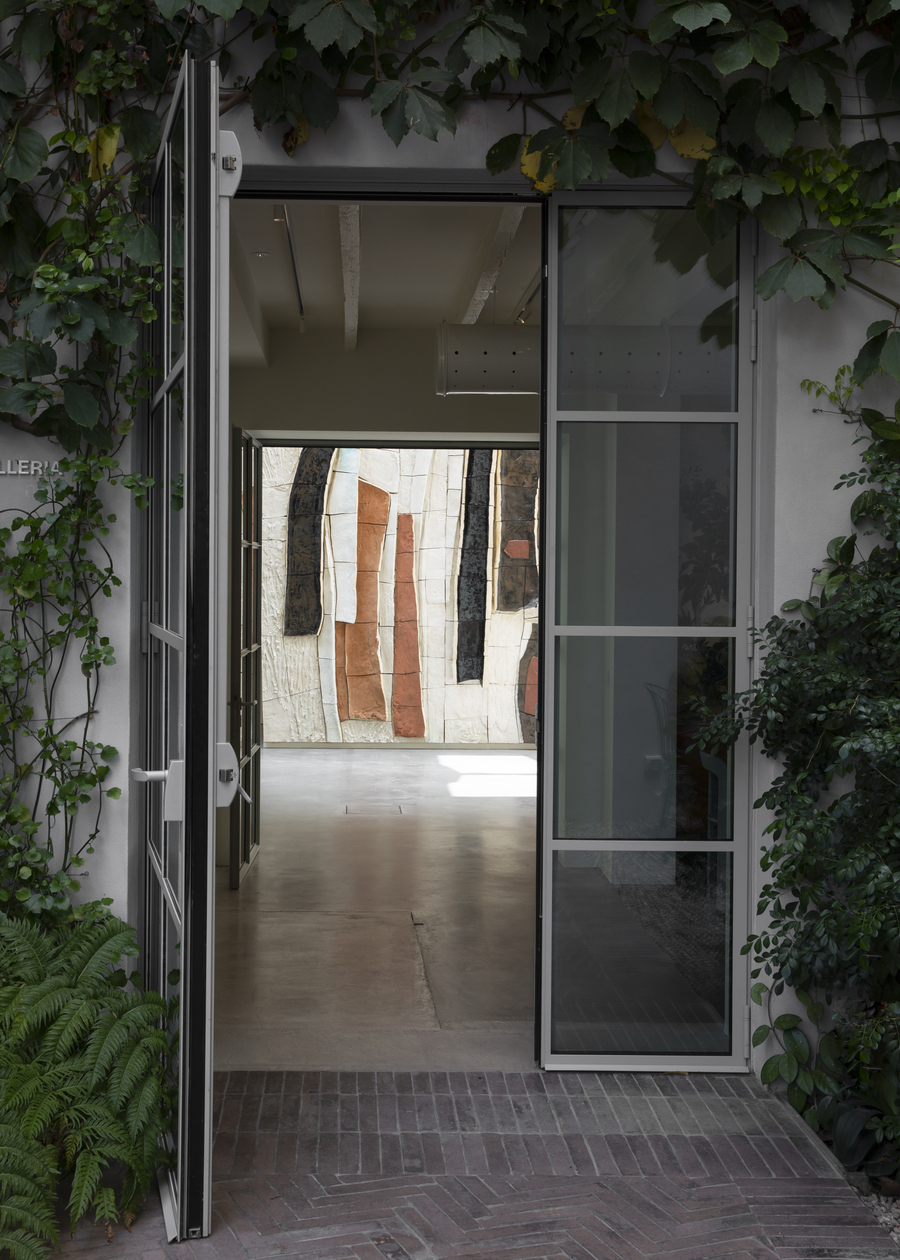
Photography: Courtesy Officine Saffi
TERRAIN
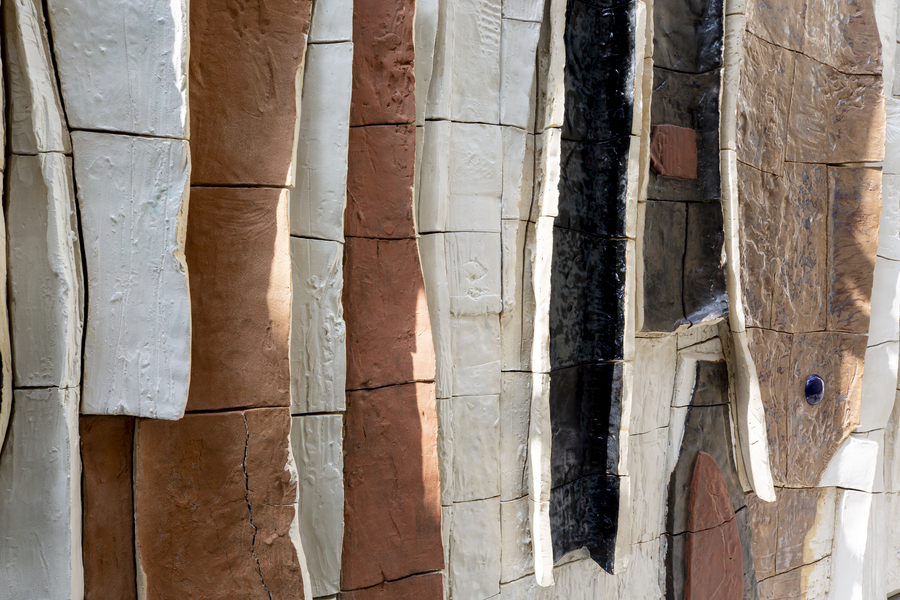
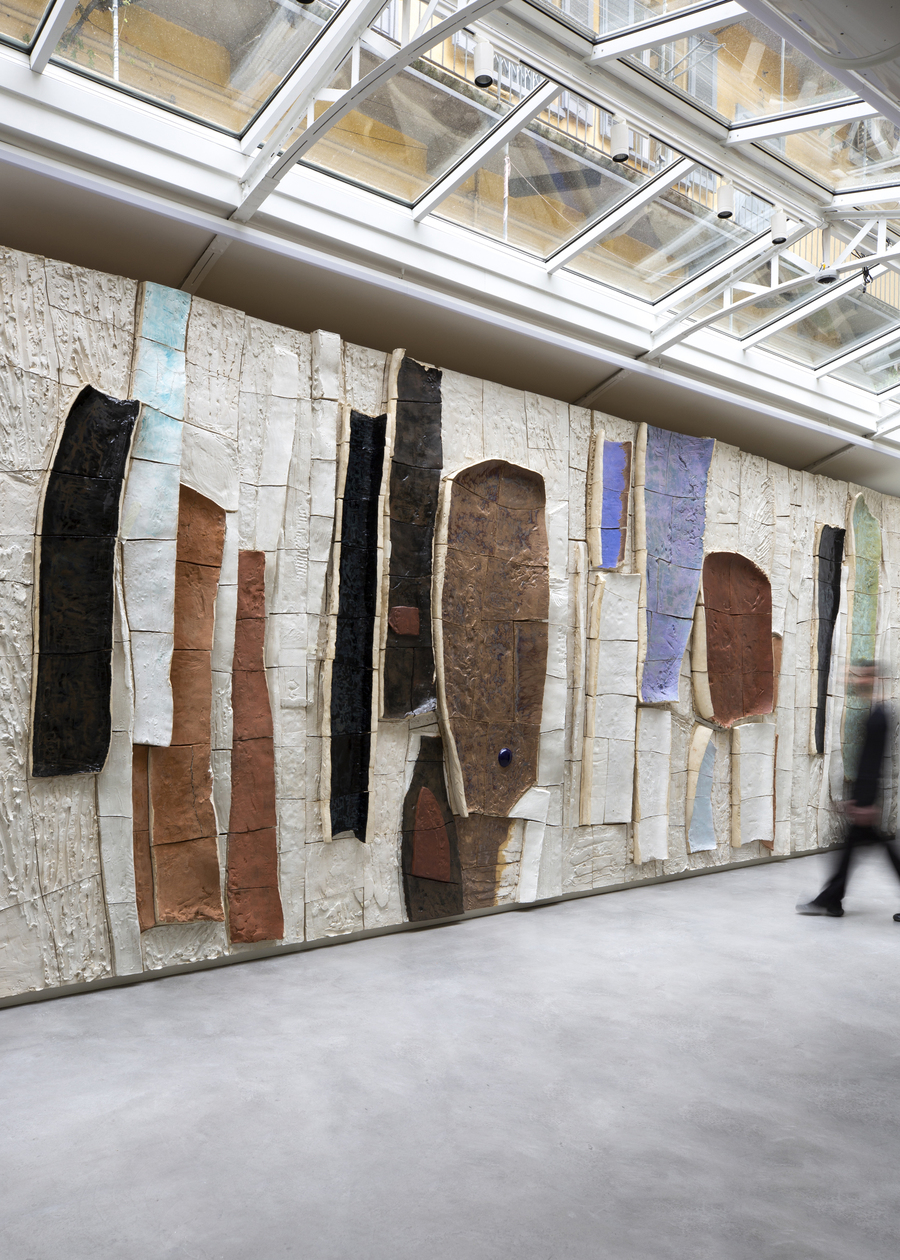
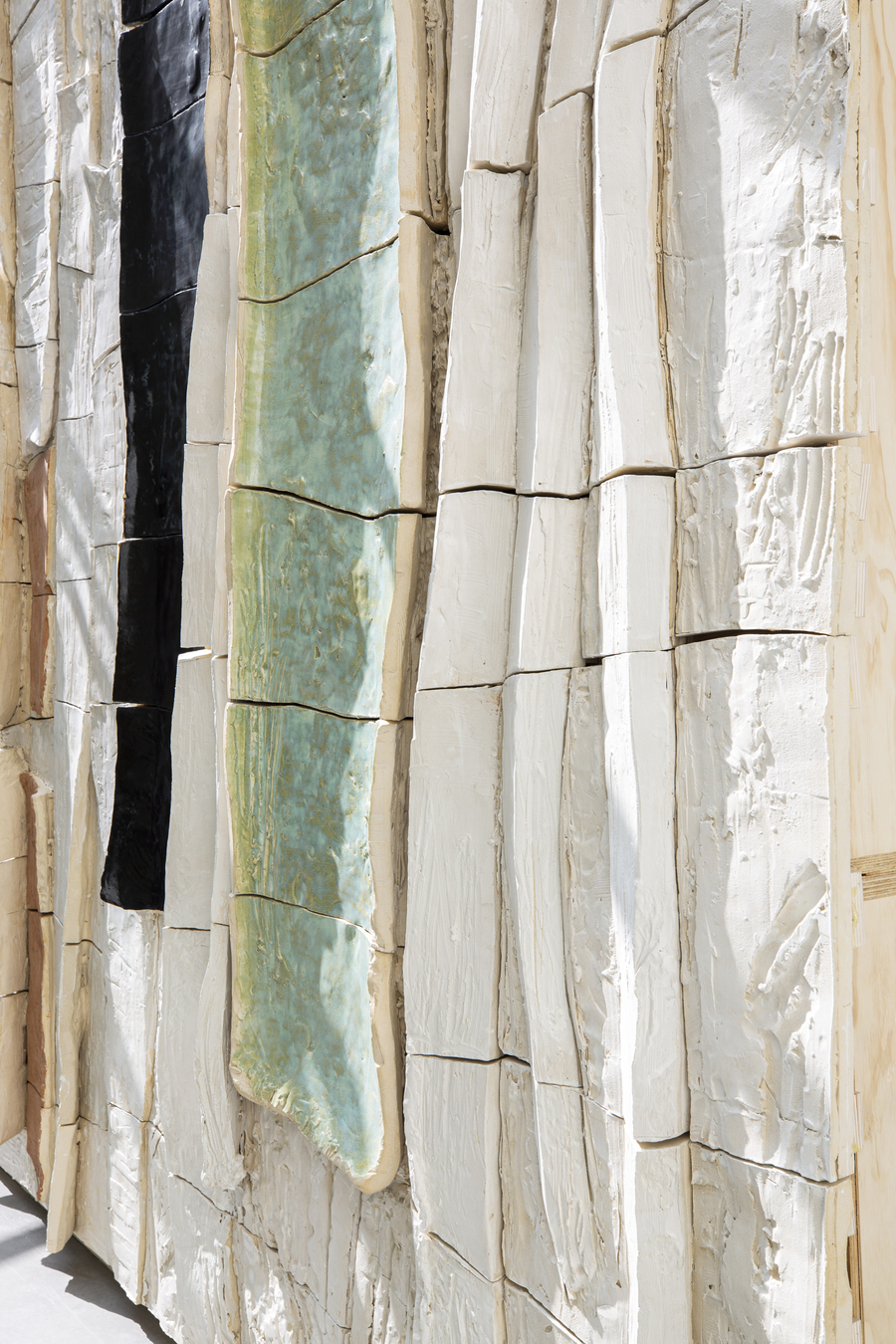
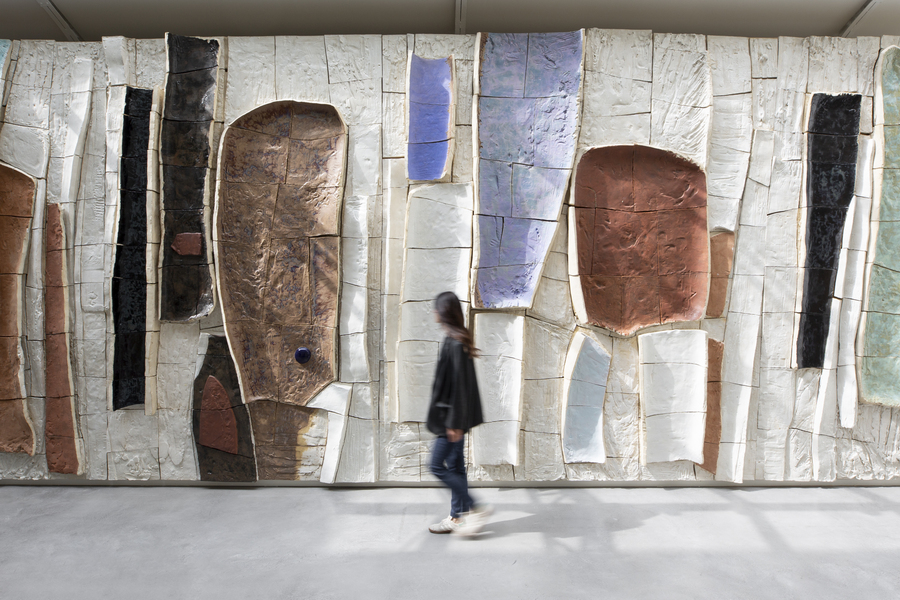
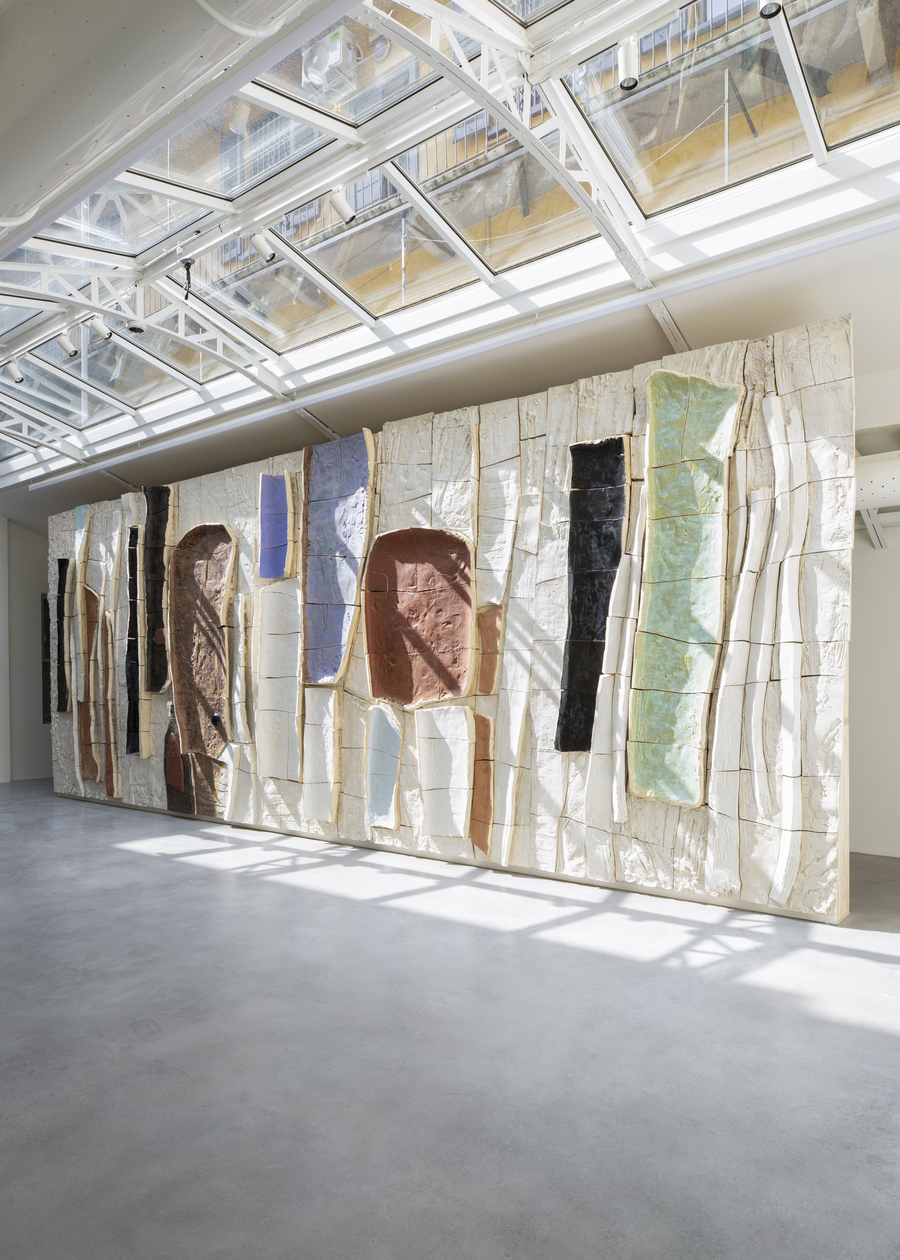
Officine Saffi Lab unveils Terrain - a majestic ceramic wall installation designed by Hannes Peer. The composition unfolds as a stratified landscape in which distinct ceramic masses collide, overlap, fracture, and realign. The surface operates like a tectonic system — governed by tension, displacement, and rhythm rather than symmetry — forming a dynamic sculptural choreography.
Conceived in close dialogue between Hannes Peer and the technical team of Officine Saffi Lab, this high relief represents an extraordinary technical undertaking, requiring advanced ceramic engineering, meticulous material control and many months of research and production.
Peer’s practice draws on historical references while remaining firmly anchored in the present. His research echoes key figures of Italian design culture such as Giò Ponti, Lucio Fontana, and Fausto Melotti, as well as the architectural experimentation of the 1960s and 1970s, when ceramics were rediscovered as a primary construction material capable of transcending pure ornament. Yet this legacy is not approached nostalgically. It is reactivated as an operative framework for today. At the core of Peer’s approach lies what he defines as a “nostalgic utopia”—a design tension in which memory becomes an active force, generating new formal and spatial possibilities. Looking to the past as a way of moving forward, Terrain proposes ceramics as a relational device: between history and contemporaneity, surface and depth, construction and landscape.
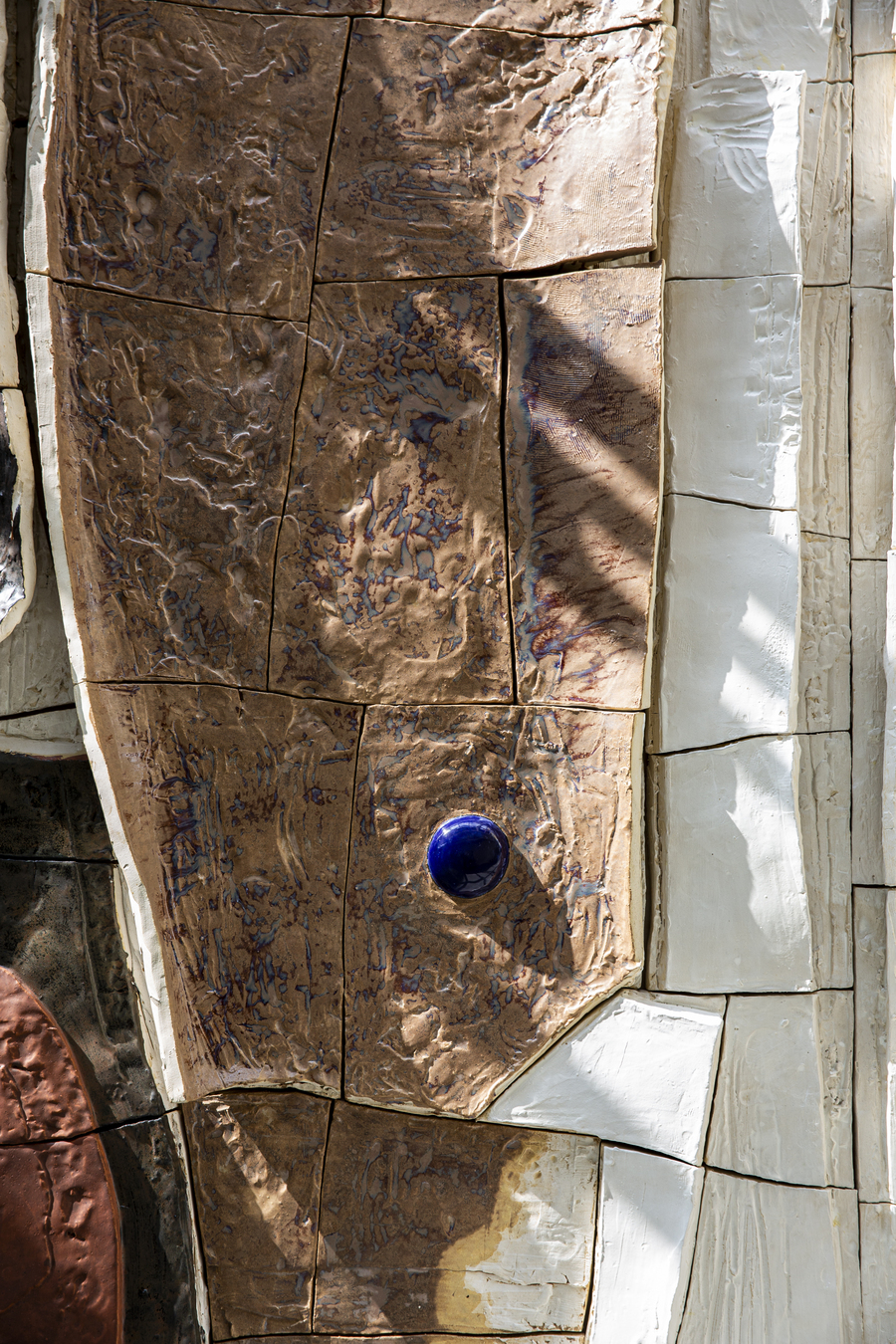
The chromatic language draws from landscapes where color is inseparable from land and light. Mineral reds, ochres, and dusty tones evoke the heat and horizontal vastness of Arizona; pale blues recall expansive desert skies often associated with Georgia O’Keeffe, introducing moments of suspension and openness; deeper, saturated hues reference Mexico’s earth, pigments, and craft traditions. This nuanced palette is the result of extensive material research conducted by Officine Saffi Lab. Through the development of bespoke glaze formulations inspired by diverse geographic traditions and experimental techniques, the Lab has transformed the ceramic surface into a stratified, almost geological field. Each module becomes a micro-landscape: never flat, never merely decorative. Beneath the surface lies a world shaped by chemistry and physics—by crystalline reactions, mineral deposits, and, at times, the unpredictability of the firing process itself.
Terrain ultimately proposes a renewed vision of ceramics within contemporary architectural space.